
Metal Scrap Prices: Understanding Stainless Steel and Nickel Alloy Scrap Value
Understanding the pricing structure and market dynamics of stainless steel and nickel alloy scrap materials in global metal recycling markets.
1. Introduction to Metal Scrap Prices
The metal scrap market is a dynamic and ever-changing industry influenced by global manufacturing activity, commodity prices, energy costs, and supply chain conditions. Whether you are a recycler, trader, fabricator, or industrial buyer, understanding current scrap metal prices is essential for making informed business decisions.
Stainless steel scrap prices, nickel scrap value, copper scrap prices, and steel scrap rates can fluctuate significantly throughout the year. Changes in global demand, production output, transportation costs, and economic conditions all affect the value of recycled metals.
In recent years, growing demand for high-performance alloys such as Alloy 718, stainless steel, and other nickel-based materials has increased interest in industrial scrap recovery and recycling. As sustainability becomes a greater priority, recycled metals continue to play an increasingly important role in modern manufacturing.
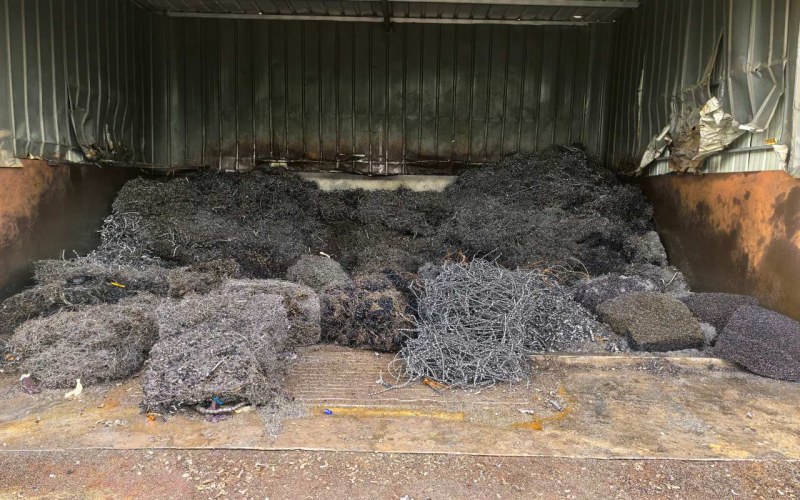
2. How Much Is 300 Pounds of Scrap Metal Worth?
One of the most frequently searched questions in the recycling industry is: How much is 300 pounds of scrap metal worth?
The answer depends entirely on the type of metal being sold. Scrap steel, aluminum, brass, copper, stainless steel, and nickel alloys all have different market values.
For example, 300 pounds of mixed steel scrap may generate a relatively modest return, while 300 pounds of copper, brass, or nickel alloy scrap can be worth substantially more. Industrial-grade materials containing nickel, chromium, molybdenum, or cobalt often command premium scrap values because these alloying elements remain highly desirable in the metals industry.
Factors affecting scrap value include:
- Current scrap metal prices
- Metal grade and composition
- Regional market demand
- Transportation costs
- Contamination levels
- Processing requirements
- Global commodity prices
3. Key Components in the Scrap Market
The scrap metal industry includes a wide range of recyclable materials. Each category has its own pricing structure and market demand.
One important segment is scrap wire. Copper wire remains one of the most valuable and actively traded materials due to its extensive use in electrical systems, construction projects, and industrial equipment.
Scrap transformer prices and scrap radiator prices also attract significant attention. These products often contain valuable copper and aluminum components that can be recovered and reused in manufacturing.
Steel scrap continues to represent one of the largest volumes in the recycling industry. Because steel is used extensively in construction, transportation, and infrastructure, scrap steel prices are often viewed as a key economic indicator.
4. Monitoring Stainless Steel and Nickel Alloy Scrap Prices
Among specialty metals, stainless steel scrap prices are closely monitored by recyclers and industrial consumers.
The value of 304 and 316 stainless steel scrap often depends on nickel content, chromium content, and prevailing market demand. In particular, 316 stainless steel scrap is highly valued because of its molybdenum content and superior corrosion resistance.
Nickel-based alloy scrap generally commands even higher values. Materials such as Alloy 625 and Hastelloy C-276 contain significant quantities of nickel, chromium, and molybdenum, making them attractive sources of recyclable alloying elements.
Industrial manufacturers often recover scrap generated during machining, fabrication, and maintenance operations. These materials can then be reintroduced into the production cycle, reducing raw material consumption and supporting sustainability initiatives.

5. Global Factors Influencing Scrap Prices
Metal scrap prices are influenced by a wide range of global economic factors.
- International trade policies
- Import and export tariffs
- Energy prices
- Industrial production levels
- Mining output
- Geopolitical events
- Transportation and logistics costs
When manufacturing activity increases, demand for recycled metals typically rises. Conversely, economic slowdowns may reduce consumption and place downward pressure on prices.
The stainless steel and nickel alloy sectors are particularly sensitive to fluctuations in nickel prices. Since nickel is a major component in many corrosion-resistant alloys, changes in nickel supply can significantly affect both new material and scrap values.
6. Pricing for Large Industrial Equipment
Large industrial assets often represent valuable sources of recyclable metals.
Electric motors, generators, pumps, transformers, and industrial machinery contain copper windings, aluminum components, stainless steel parts, and specialty alloys. As a result, large electric motor scrap prices are often closely monitored by recyclers and demolition contractors.
Industrial facilities frequently generate substantial volumes of scrap during maintenance, upgrades, and equipment replacement projects. Recovering and recycling these materials can provide significant financial benefits while reducing waste disposal costs.
7. Regional Scrap Metal Price Benchmarks
Scrap prices often vary between regions based on local demand, transportation costs, and industrial activity.
Major manufacturing centers and port cities typically experience higher recycling volumes and more competitive pricing. For example, Houston metal recycling prices are often viewed as an important benchmark because of the city's strong energy, petrochemical, and industrial sectors.
Regional markets may also place different values on stainless steel, aluminum, brass, copper, and nickel alloys depending on local processing capabilities and end-user demand.
8. The Growing Importance of Alloy Recycling
As high-performance alloys become increasingly important across aerospace, energy, marine, and chemical processing industries, alloy recycling continues to grow in significance.
Materials such as Alloy 718, Alloy 625, Hastelloy alloys, and other nickel-based superalloys contain valuable alloying elements that can be recovered and reused. Recycling these materials helps reduce dependence on primary mining while supporting more sustainable manufacturing practices.
The same trend is visible in stainless steel production, where recycled content plays a critical role in reducing environmental impact and controlling production costs.
Manufacturers producing products such as Inconel 600 sheets and plates and other corrosion-resistant alloys increasingly rely on recycled metal feedstock as part of their supply chains.
9. Conclusion
Understanding metal scrap prices is essential for recyclers, manufacturers, traders, and industrial consumers. Factors such as metal composition, market demand, transportation costs, and global economic conditions all influence scrap values.
From carbon steel and aluminum to stainless steel and high-value nickel alloys, recycled metals remain a vital part of modern industry. By monitoring market trends and staying informed about current scrap metal prices, businesses can improve purchasing decisions, maximize recycling returns, and enhance overall operational efficiency.
As demand for sustainable manufacturing continues to grow, the importance of stainless steel recycling, nickel alloy recovery, and industrial scrap processing will likely increase even further in the years ahead.