
Inconel Metal Price: Current Market Analysis and 2026 Outlook
Updated analysis of Inconel pricing trends in 2025–2026, covering nickel cost drivers, alloy demand shifts, scrap value changes, and global supply chain dynamics.
1. Introduction to Inconel and Market Price Drivers
Inconel is a family of nickel-based superalloys designed for extreme environments involving high temperature, corrosion, and mechanical stress. Common grades include Inconel 625, Inconel 718, and Inconel 600, widely used in aerospace, energy, marine, and chemical processing industries.
The Inconel metal price in 2025–2026 continues to be strongly influenced by global nickel supply conditions, energy costs, and industrial demand cycles. Because nickel is the primary cost component, price movements on the London Metal Exchange (LME) remain a key benchmark for alloy pricing trends.
At the same time, supply chain restructuring, regional production shifts, and increasing demand for high-performance alloys in aerospace and energy transition projects are reshaping the global nickel alloy market.
2. Current Inconel Price Trends (2025–2026)
2.1 Inconel 625 Market Pricing
Inconel 625 remains one of the most widely used corrosion-resistant nickel alloys in chemical and offshore applications.
- Forgings: approximately $46–$52/kg
- Sheets and plates: approximately $48–$55/kg
- Tube sheets and machined parts: approximately $50–$58/kg
The Inconel 625 price per ton remains highly dependent on order size, certification level, and mill origin. Demand is stable in chemical processing, desalination, and offshore engineering sectors.
For recycling markets, Inconel 625 scrap price in 2025–2026 typically ranges around $3.0–$3.6 per pound, driven by sustained nickel value recovery demand.
2.2 Inconel 718 Market Pricing
Inconel 718 continues to dominate aerospace and high-strength mechanical applications due to its precipitation-hardening capability.
- Forgings: approximately $48–$55/kg
- Sheets: approximately $50–$58/kg
- Precision components: approximately $52–$60/kg
The current market level for Inconel 718 material remains in the range of $22–$30 per pound depending on specification and certification requirements.
Scrap values have also increased slightly, with Inconel 718 scrap price averaging around $2.1–$2.6 per pound due to strong demand from secondary metal recovery channels.
Related engineered supply products such as Alloy 718 continue to see stable procurement demand in aerospace and energy sectors.

3. Global Market Conditions (2025–2026)
North America
North American pricing remains relatively firm due to strong aerospace and defense procurement. Demand stability offsets moderate fluctuations in nickel input costs.
Asia-Pacific
Asia-Pacific markets show mixed conditions. While industrial demand recovery supports consumption, production capacity expansion in certain regions creates short-term pricing pressure.
Europe
European Inconel pricing is influenced by energy costs and regulatory constraints. Aerospace demand remains the primary stabilizing factor in the region.
4. Inconel 2026 Outlook
4.1 Market Direction
Entering 2026, the Inconel market is expected to remain structurally strong but price-sensitive. The long-term demand trend continues to be supported by aerospace expansion, LNG infrastructure, hydrogen energy systems, and chemical processing upgrades.
Higher-performance alloys such as Alloy 625 and Inconel 600 sheets and plates are expected to maintain strong demand due to corrosion resistance requirements in aggressive operating environments.
4.2 Key Influencing Factors (Updated 2026 View)
- Raw Material Costs: Nickel and chromium remain the dominant cost drivers. LME nickel pricing continues to serve as the global benchmark for Inconel cost formation, with volatility directly transmitted into alloy pricing structures.
- Technological Improvements: Advanced smelting technologies, ESR refining systems, and improved powder metallurgy processes have increased production consistency and reduced defect rates. These improvements support more stable supply in high-grade alloys.
- Environmental and Logistics Restructuring: Environmental compliance requirements continue to reshape production geography. Relocation of industrial capacity and stricter emissions controls have increased logistics complexity and slightly raised delivered costs in some regions.
- Industrial Demand Growth: Demand continues to expand in aerospace, hydrogen energy systems, LNG infrastructure, and chemical processing industries. These sectors require materials with high corrosion resistance and thermal stability, sustaining long-term consumption of Inconel alloys.
5. Conclusion
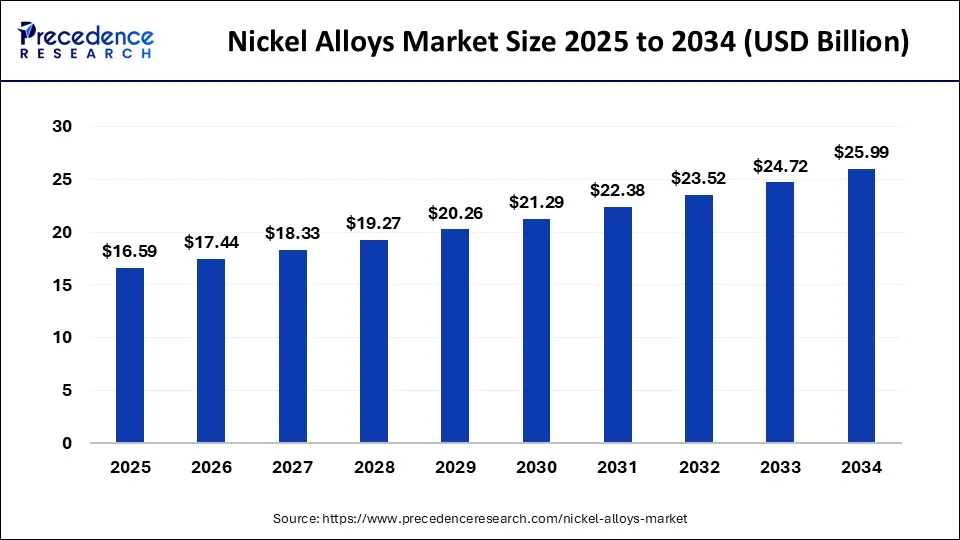
The Inconel market in 2025–2026 reflects a mature but structurally growing industry, driven primarily by aerospace expansion and energy transition infrastructure.
While short-term price fluctuations continue due to nickel volatility and regional supply chain shifts, the long-term outlook remains stable due to persistent demand for high-performance nickel-based superalloys.
For buyers and procurement teams, monitoring LME nickel trends, aerospace order cycles, and regional production changes remains essential for cost control and sourcing strategy optimization.
Overall, Inconel pricing is expected to stay at a relatively high structural level, supported by its irreplaceable role in extreme environment engineering applications.