
Understanding Inconel: Properties, Uses, and Applications
A complete guide to Inconel superalloys, including composition, high-temperature performance, corrosion resistance, and industrial applications in aerospace, chemical, and energy industries.
1. Introduction
What is Inconel?
Inconel is a family of nickel-based superalloys known for exceptional resistance to heat, oxidation, and corrosion. These alloys are primarily composed of nickel, chromium, and iron, with additional elements such as molybdenum, niobium, aluminum, and titanium depending on the grade.
These properties make Inconel a critical material for extreme environments where conventional stainless steels fail under high temperature or corrosive conditions.
The term Inconel is widely associated with high-performance engineering materials used in aerospace, energy systems, chemical processing, and marine applications.
2. What is Inconel Made Of?
Inconel alloys are primarily nickel-based, with varying proportions of chromium, iron, and strengthening elements.
One of the most widely used grades is Alloy 625, which contains approximately 58% nickel, 20–23% chromium, and 8–10% molybdenum. This composition provides excellent resistance to oxidation, pitting, and crevice corrosion.
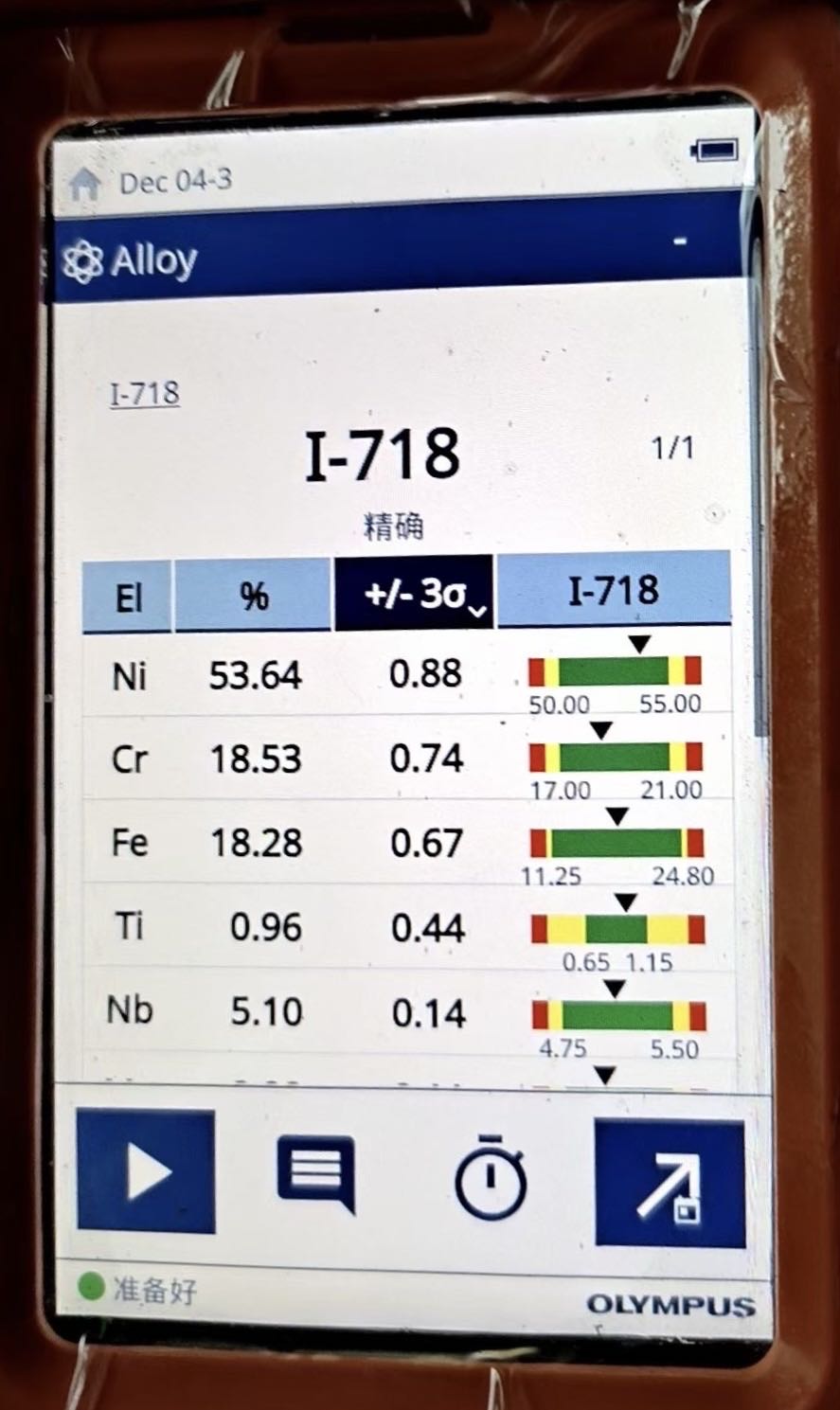
Another important grade is Alloy 718, which includes niobium and molybdenum as key strengthening elements. This allows the alloy to achieve high strength through precipitation hardening.
Different grades are engineered for different service conditions, allowing Inconel alloys to cover a wide range of industrial applications.
3. Melting Temperature and High-Temperature Performance
One of the defining characteristics of Inconel is its ability to maintain mechanical strength at elevated temperatures.
Most Inconel alloys have melting ranges between approximately 1,300°C and 1,350°C, depending on composition. For example, Alloy 625 and Alloy 718 both maintain structural integrity under prolonged high-temperature exposure.
This makes Inconel suitable for gas turbines, jet engines, heat exchangers, and other high-temperature systems where thermal stability is critical.
4. What is Inconel Used For?
Inconel is widely used in industries where materials must perform under high heat, pressure, and corrosive conditions.
Aerospace
Inconel is extensively used in jet engines, turbine blades, exhaust systems, and combustion chambers due to its excellent oxidation resistance and strength retention at high temperatures.
Chemical Processing
Chemical plants use Inconel alloys in reactors, heat exchangers, and piping systems exposed to acidic and corrosive environments.
Power Generation
Gas turbines and nuclear reactors rely on Inconel components for long-term stability under extreme thermal and mechanical stress.
5. Inconel Grades and Industrial Variants
Different Inconel grades are designed for specific performance requirements.
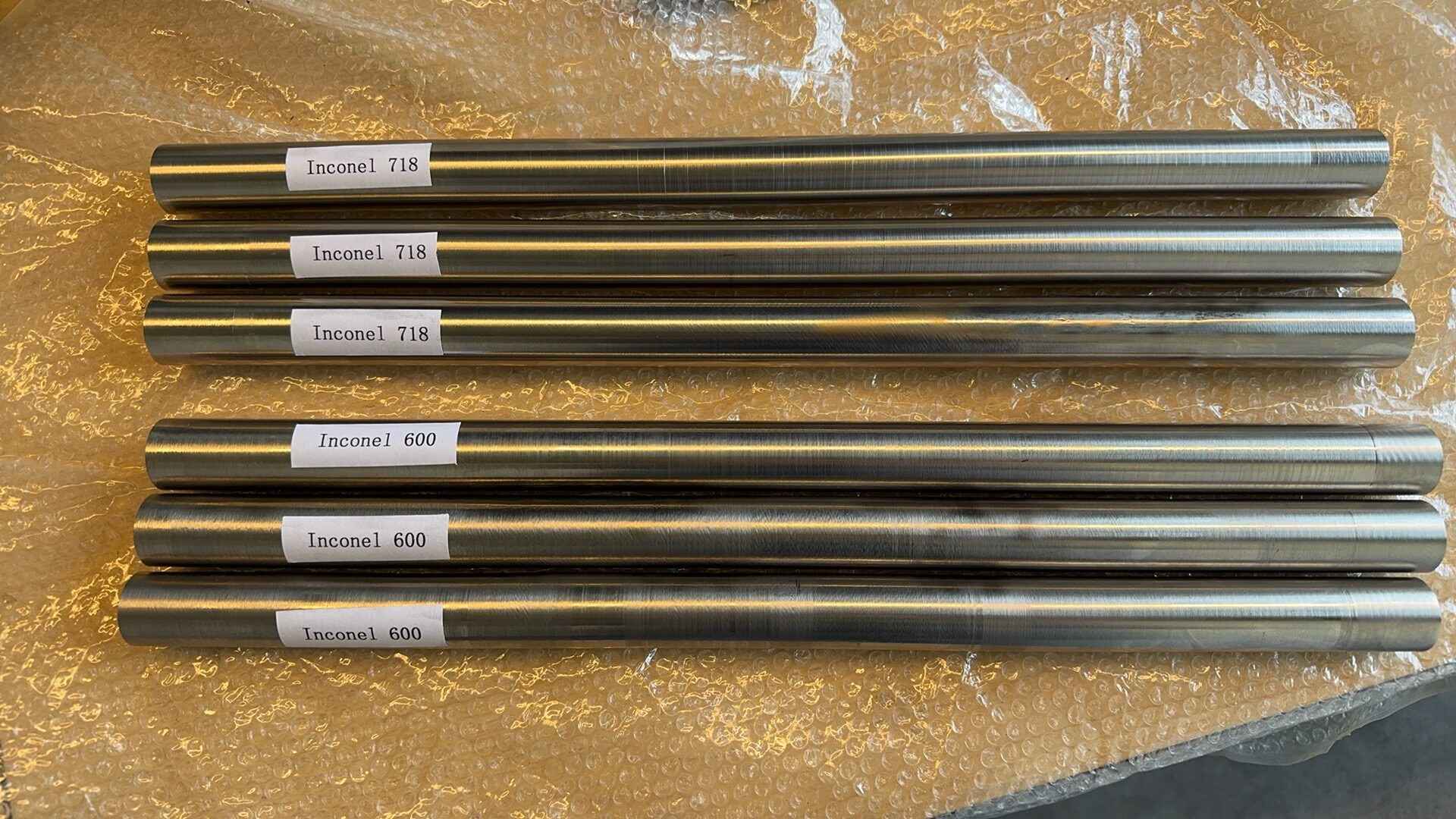
- Inconel 625: Excellent corrosion resistance and fatigue strength.
- Inconel 718: High strength through precipitation hardening, widely used in aerospace.
- Inconel 600: Strong oxidation resistance at high temperatures.
Industrial forms such as Inconel 600 sheets and plates are widely used in furnace components, chemical equipment, and heat-resistant structures.
Each grade is optimized for a balance of corrosion resistance, mechanical strength, and thermal stability.
6. Inconel vs Other Materials
Compared with stainless steel, Inconel performs significantly better in high-temperature environments.
While stainless steel offers good corrosion resistance at ambient conditions, it loses strength rapidly under high heat. In contrast, Inconel maintains structural integrity even under extreme thermal loads.
Compared to titanium and aluminum alloys, Inconel provides superior oxidation resistance and better performance in high-temperature oxidation and thermal cycling environments.
7. Performance and Properties of Inconel
The key value of Inconel lies in its ability to combine strength, corrosion resistance, and thermal stability in a single material system.
It maintains high fatigue resistance, creep resistance, and oxidation resistance even under long-term exposure to extreme operating conditions.
These properties make it indispensable in mission-critical applications where failure is not acceptable.
8. Manufacturing and Processing
Inconel alloys are typically produced through forging, rolling, machining, and welding processes. Due to their high strength and work-hardening characteristics, specialized tools and controlled machining parameters are required.
Advanced manufacturing methods such as additive manufacturing (3D printing) are increasingly used for complex Inconel components in aerospace and energy industries.
Heat treatment and controlled processing are critical to achieving desired mechanical properties, especially for precipitation-hardened grades like Alloy 718.
9. Conclusion
Inconel alloys represent one of the most important classes of superalloys in modern engineering. Their combination of high-temperature strength, corrosion resistance, and structural stability makes them essential in aerospace, chemical processing, and energy systems.
With increasing demand for high-performance materials, Inconel continues to play a central role in advanced engineering applications where durability and reliability are critical.
If you need any nickel alloy materials or products, please feel free to contact us.
Request a Quote